


.jpg)


Introduction
Concerned about your daughter's puberty? You're not alone.
Puberty marks the beginning of a new phase of your daughter's life, bringing physical, emotional, mental, and hormonal changes that can sometimes feel overwhelming – for both the child and the parent.
While it is a natural part of growing up, knowing what's normal and when to seek medical advice is important. As daughters grow, parents often worry with questions like “Is she developing too early?” “Are irregular periods normal?”
However, with growing awareness and advancement in adolescent healthcare, parents now have better access to detailed information, preventive care, and medical guidance. Understanding the changes that come with puberty can help families move beyond myths and assumptions and make informed decisions that support healthy growth and development for the child.
.png)
Navigating through the Challenges of Puberty
Every girl's puberty journey is unique. This differs on the basis of genetics, overall health, nutrition, and individual growth patterns which influence when and how these changes occur. What matters is understanding her individual development and concerns, seeking professional guidance and helping her ease the worries related to growing up.
Let's understand some of the concerns most parents have during their daughter's puberty journey.
1. Early or delayed puberty
One of the most common concerns parents have is whether their daughter is entering puberty too early or too late. Comparisons with siblings, classmates, or peers can sometimes make these concerns stronger.
It's common for girls to go through puberty between 8 and 13 years of age. Some girls may develop signs earlier or later than their peers, and this variation is completely normal. However, the signs of puberty before the age of 8, or no signs of puberty by 13–14 years of age, should be discussed with a healthcare professional for an assessment.
2. Irregular menstrual cycles
The first few years after a girl's first period are often marked by irregular menstrual cycles as the body adjusts to changing hormone levels. Due to this, cycles may not follow a predictable pattern.
Prolonged irregular menstrual cycles should not be overlooked or ignored. Look out for signs such as extremely heavy flow, painful or missed periods, which should be medically evaluated by a doctor.
3. Physical changes during puberty
Puberty brings about changes in appearance, height, weight, and body shape, which can affect a child's confidence. Body odour, breast development, oily skin, acne, and the growth of underarm and pubic hair are all normal signs of growing up caused by hormonal changes.
Parents can support their daughters by offering reassurance, avoiding comparisons with siblings or peers, and helping them feel comfortable and confident in their changing bodies.
4. Mood swings and emotional changes
Puberty is not just about physical changes. Hormonal fluctuations, shifting emotions, and academic or social pressures can all affect a girl's mood and behaviour. During this stage, girls may become more sensitive, irritable, withdrawn, or seek greater privacy and independence.
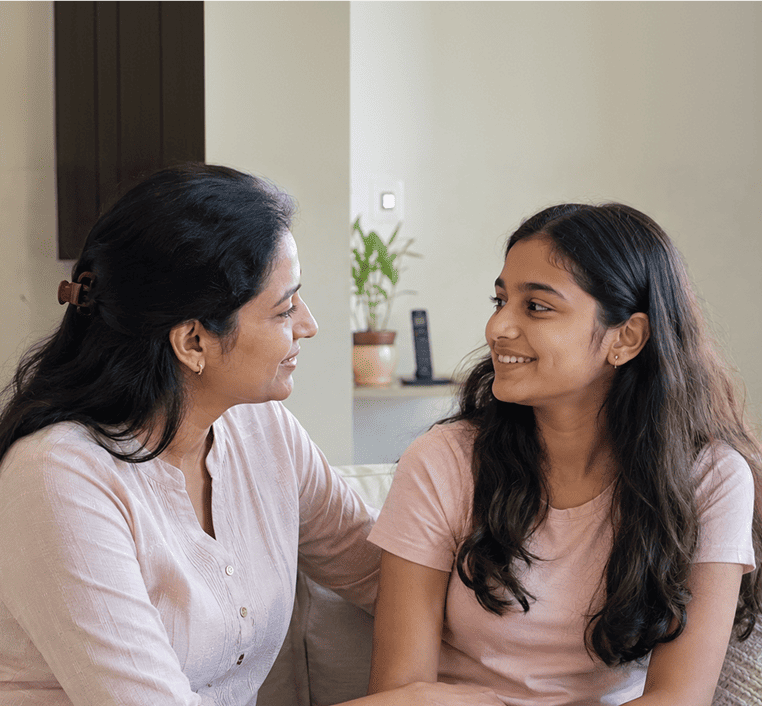
What makes the biggest difference is creating an environment where they feel safe to express themselves without fear of judgement. A healthy relationship built on trust – where you listen patiently, discuss their concerns, encourage open conversations, and respect their growing need for privacy – can help them navigate these changes with greater confidence and emotional security.
5. Changes in skin and appearance
Skin changes are a common part of puberty, and acne is one of the concerns many girls may experience during adolescence. Acne may sometimes flare up around the time of menstruation due to hormonal changes. For some girls, persistent or severe acne can also affect their confidence and emotional well-being.
A gentle skincare routine and appropriate acne care can help manage mild breakouts. If acne becomes severe, painful, persistent, or leaves scars, it is advisable to consult a healthcare professional to follow an appropriate treatment rather than relying solely on home remedies or over-the-counter products without guidance.
When should parents seek medical advice?
Parents should consider seeking medical advice if they notice:
- Signs of puberty before 8 years of age
- No breast development by around 13–14 years
- Menstruation has not started by around 15 years
- Extremely heavy or unusually painful periods
- Irregular periods
- Persistent concerns about growth, development, or hormonal changes
An early check-up can help clarify what's happening and what to do next. In many cases, it simply provides reassurance, while in others it helps identify conditions that may benefit from timely treatment.
Supporting every stage of adolescence with Ariha Healthcare
The right medical care and guidance can make a significant difference in a child's journey through puberty, ensuring they receive the right support at the right time. With accurate information, personalised health plans, and compassionate care, children can navigate this important stage safely, confidently, and with a better understanding of the changes they are experiencing.
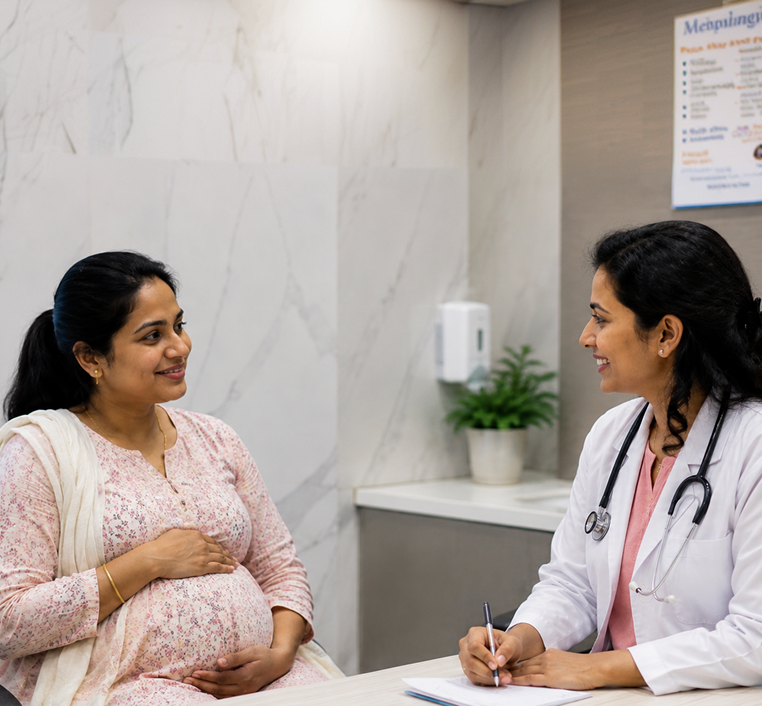
Our experienced Gynaecologist Dr. Jui Shah provides age-appropriate guidance for adolescents and parents, helping them better understand developmental changes, menstrual health, hormonal concerns, and overall wellbeing.
Whether it's addressing questions about puberty, evaluating concerns about menstrual cycles, or providing personalised medical advice, our focus is on delivering compassionate, patient-centric care in a comfortable and supportive environment. By partnering with families through every stage of adolescence, we aim to ensure girls grow with confidence, good health, and the right support whenever they need it.
Conclusion
Growing up with confidence – that every girl deserves!
Puberty brings changes, questions, and sometimes concerns that can be difficult for both girls and their parents to navigate. During such times, parents may not always have all the answers, especially the ones that require medical diagnosis or timely medical intervention.
What matters most is recognising your daughter's changing needs, signs or symptoms or irregularity, and seeking timely medical guidance whenever something doesn't feel right. At Ariha Healthcare, we're committed to supporting every girl going through puberty with compassionate care, expert guidance, and personalised adolescent gynaecology services.
Explore our Adolescent Health Care services or book a consultation to give your daughter the confidence and care she deserves at every stage of her journey.
Share this post


.jpg)
.png)






.png)
.png)
.png)